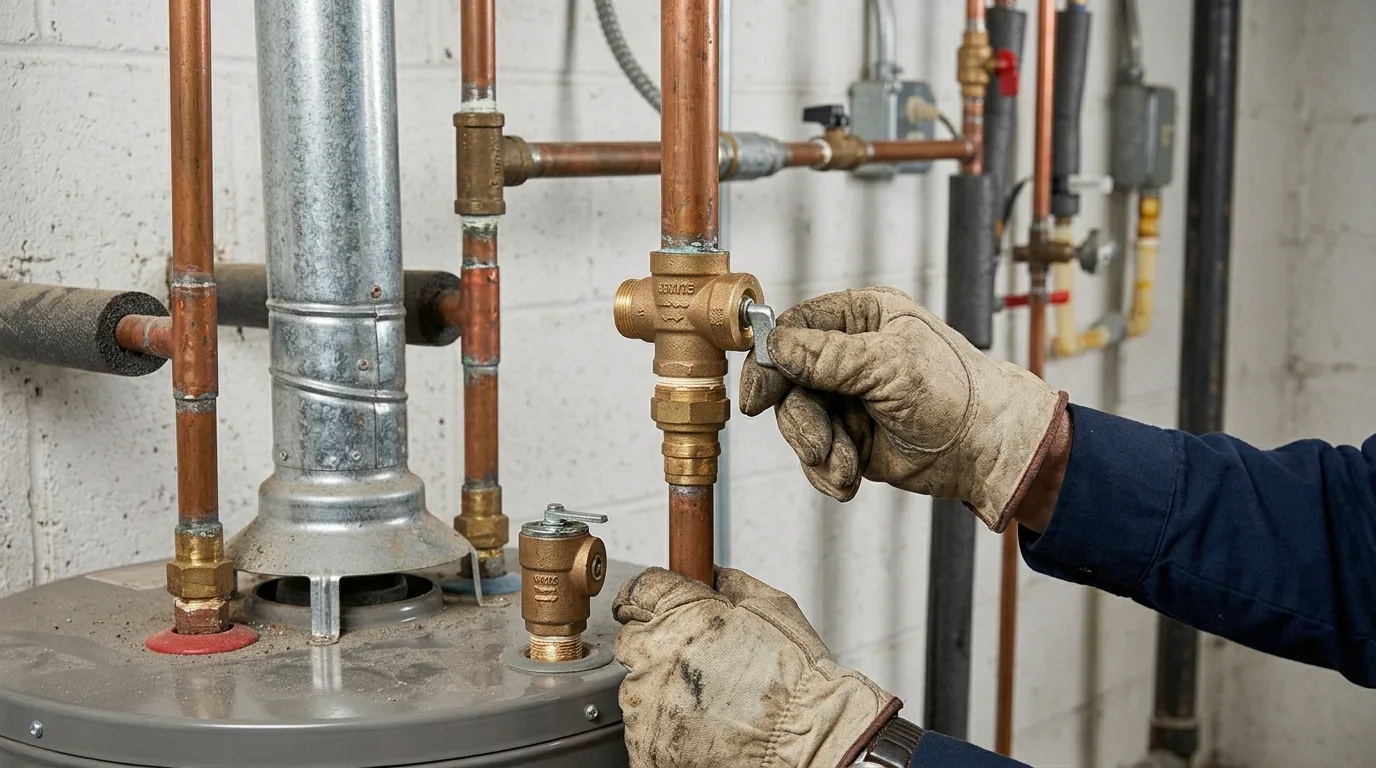
Gas line services in Orange, CA. Sized, tested, permitted
New runs for ranges, dryers, fire pits and generators. Upsizing for a tankless conversion. Leak testing on old threaded steel and corroded exterior pipe. Earthquake shutoff valves.
Smell gas? Leave the building, touch no switches, and call your gas utility from outside first.
What to expect
Answered 24/7
Every hour, every day, including holidays.
Same-day & emergency
Urgent calls get moved to the front of the queue.
Upfront pricing
A number you approve before work begins.
No hidden fees
The price you agreed to is the price you pay.
Workmanship terms upfront
Ask the plumber what their own workmanship terms are before work starts.
Read this first
If you smell gas, leave the building
Everything else on this page can wait. This cannot.
Get everyone out
Leave immediately, taking everyone with you, and stay out. Do not go back in for anything.
Touch no switches
No lights on or off, no appliances, no garage door opener, no phone use inside the building. Any of those can produce a spark.
Do not hunt for the leak
No matches, no lighters, and no attempt to trace it. Leave doors as you find them rather than creating a draught.
Call from outside, and call the gas utility
From a safe distance, contact your gas utility; they respond to suspected leaks and will shut the supply at the meter. Then call us for the repair work once the situation is made safe.
Rotten-egg smell, hissing near a line or an appliance, or a pilot that will not stay lit alongside a smell: treat all three as a leak.
Scope
What gas line work covers
New appliance runs. A gas range where there was electric, a dryer, a pool or spa heater, a fire pit, a patio heater, a barbecue drop, a generator. Each needs a line sized for its input and a shutoff at the appliance.
Upsizing for a tankless water heater. The most common reason people end up on this page. A tankless unit fires at a far higher input than a tank, and many older houses have a meter and supply sized for a tank, a furnace and a range. Sometimes the line from the meter has to be enlarged; occasionally the meter itself is the constraint and the utility becomes involved.
Leak testing and repair. Pressure testing the system to locate a loss, then repairing or replacing the offending section. Old threaded steel, corroded exterior runs and past work done with the wrong fittings are the usual culprits.
Replacing corroded or undersized pipe. Exterior gas piping in this climate corrodes at ground level and where it passes through stucco. It is visible, it is cheap to inspect, and it is worth looking at on any older house.
Earthquake shutoff valves. An automatic seismic gas shutoff valve closes the supply when it senses significant shaking. In earthquake country it is a small, sensible piece of work and worth asking about, some jurisdictions require them in certain circumstances, so your plumber can tell you what applies to your property.
Capping and removing lines. Abandoned runs from a removed appliance, or a line to a fireplace that is being decommissioned. A capped line done properly is safe; a capped line done with a rag and hope is not, and both exist out there.
ADU and outbuilding supply. On the larger parcels, Orange Park Acres, the hillside streets; that can mean a long buried run to a casita, a workshop or a barn, which is a design job as much as an installation.
Permits are not optional here
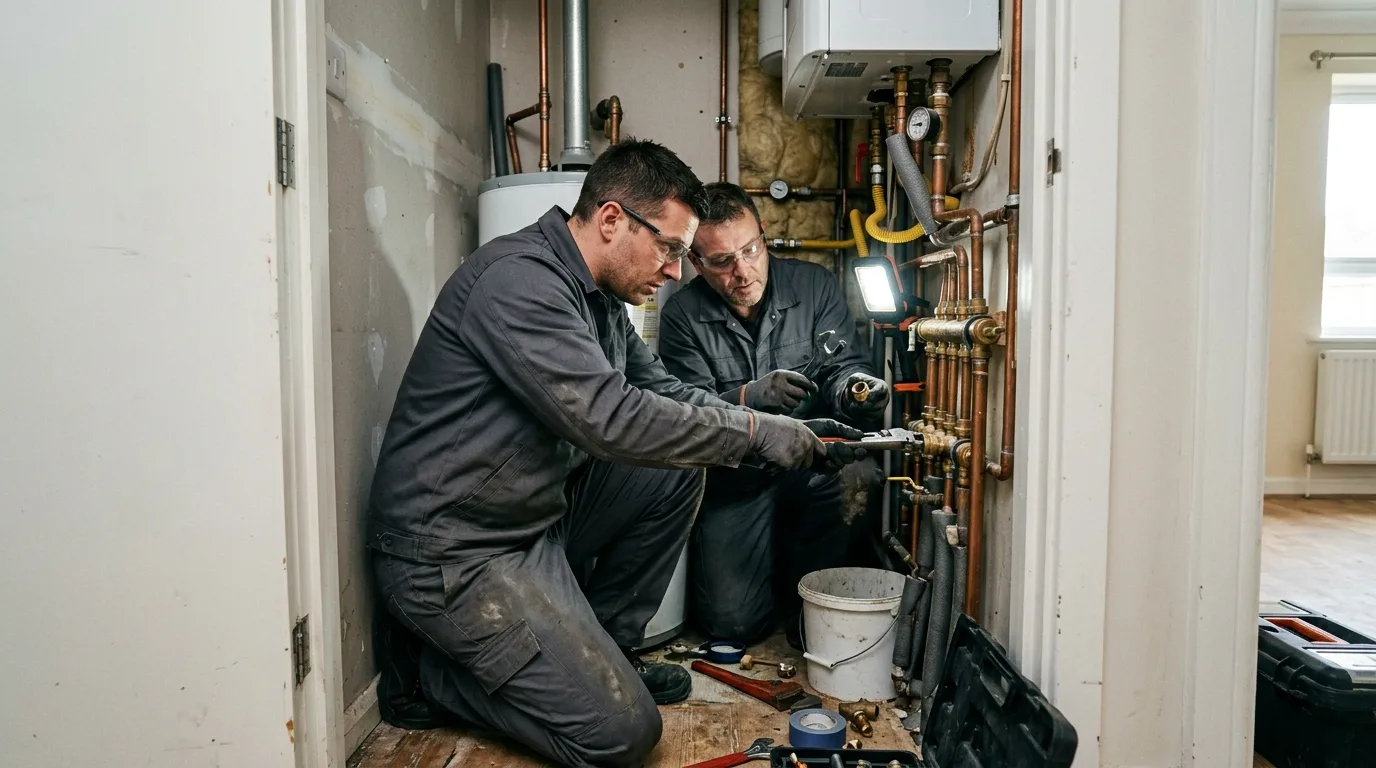
Gas work is permitted work, and the inspection exists because the consequences of getting it wrong are not financial. Any quote that offers to skip the permit is telling you something important about how the rest of the job will be done. It also matters at resale: unpermitted gas work is a genuine problem in escrow.
Gas is the one to do properly
Permitted, pressure-tested, and inspected. No shortcuts.
Whether it is a new range line or a tankless upsize, get it quoted with the permit included.
Method
How the work is done
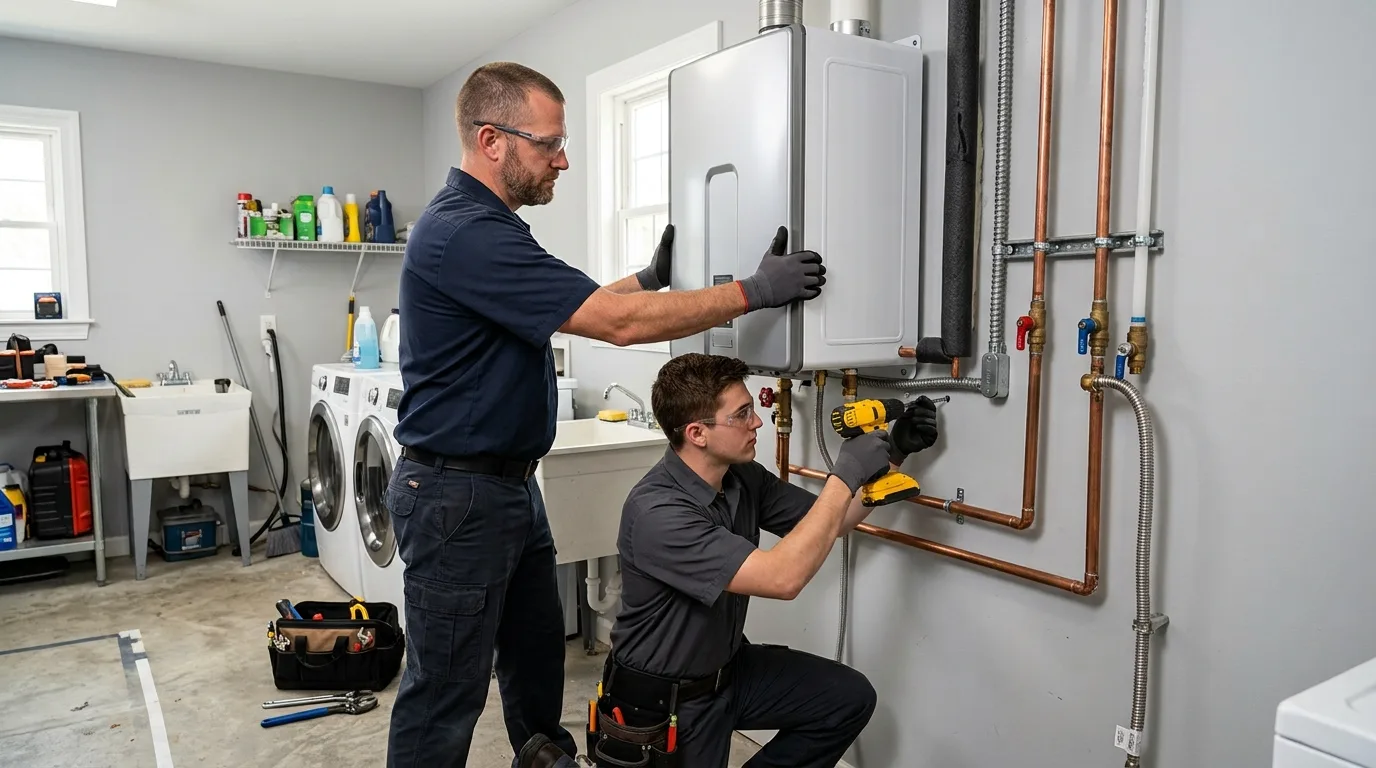
Load calculation first. Every gas appliance in the house is added up, then the pipe is sized for total demand and the length of the run. This is the step that separates real gas work from guessing, and it is why a plumber asks what else is on the system.
Material chosen for the location. Black steel for most interior and exterior runs. Corrugated stainless tubing where flexibility and fewer joints help. Coated or sleeved pipe where it goes underground. Each has rules about where it may and may not be used.
Shutoffs and sediment traps. A shutoff at each appliance and a sediment trap where required. Small details, routinely omitted on amateur work.
Pressure test. The new or repaired section is isolated and held under test pressure, then verified. This is the part the inspection is interested in, and it is not negotiable.
Appliance connection and combustion check. Connecting up, checking for leaks at every joint, and confirming the appliance runs correctly, including venting and draft on anything that burns indoors.
Inspection. The permit closed out, with the record in place for when you sell the house.
One note on older houses: in Old Towne and the other historic areas, a new exterior gas run or a meter relocation is a visible change, and Old Towne is a National Register historic district with city Historic Preservation Design Standards covering exterior alterations. Plan the route with that in mind. Your plumber pulls plumbing and gas permits; we do not obtain historic approvals for you.
Money
What drives the cost
- Length of the new run
- Pipe size required by the load
- Interior, exterior or buried
- Meter capacity and utility involvement
- Access through walls, attic or crawl space
- Number of appliances served
- Leak testing and locating
- Earthquake shutoff valve
- Permit and inspection
- Historic district route planning
The number that surprises people is meter capacity. If the existing meter cannot supply what you are adding, that involves the utility and a timeline you do not control. Worth establishing at the quote stage rather than mid-project, particularly if the whole plan hinges on a tankless conversion.
Ask whether the meter can carry the new load. It is the question that decides the schedule.
Straight answers
Gas questions, answered carefully
I think I smell gas. What do I do?
Leave the building with everyone in it, touch no switches or appliances, and do not try to find the leak. Call your gas utility from outside; they respond to suspected leaks and can shut the supply at the meter.
Once it is made safe, call us for the repair work.
Do I need a permit to add a gas line?
Yes. Gas work is permitted work and it gets inspected, because the consequences of a mistake are not financial.
Any quote offering to skip the permit is telling you how the rest of the job will be done. It also causes real problems in escrow later.
Can you run a line for a new range, dryer or fire pit?
Yes, ranges, dryers, pool and spa heaters, fire pits, patio heaters, barbecue drops and generators are all routine.
The pipe is sized against your total household gas load, so the plumber will ask what else runs on gas.
Why does my tankless water heater need a bigger gas line?
A tankless unit fires at a much higher input than a tank when it runs, and many older houses have supply sized for a tank, a furnace and a range.
Sometimes the line from the meter needs upsizing; occasionally the meter itself is the limit, which brings the utility into it. This is the most common reason a tankless quote comes back higher than expected.
What is an earthquake gas shutoff valve?
An automatic valve that closes the gas supply when it senses significant shaking. In earthquake country it is a small, sensible piece of work.
Requirements vary by circumstance and jurisdiction, so your plumber can tell you what applies to your property.
How do you find a gas leak?
By isolating and pressure-testing sections of the system to identify where the loss is, then inspecting joints and runs.
Old threaded steel, exterior pipe corroded at ground level, and past work done with the wrong fittings are the usual causes.
Can you cap off a line I no longer need?
Yes, and it is worth doing properly. A correctly capped line is safe; the improvised versions found behind appliances are not.
It is a small job and a good thing to tidy up before selling.
Can you run gas to an ADU or a workshop?
Yes, including long buried runs on larger properties. Those are as much a design job as an installation, sizing over distance, correct material for burial, and proper shutoffs.
On acreage in Orange Park Acres or the hillside streets, plan on a proper site walk before a firm price.
How long does gas work take?
A short appliance run in accessible space can be a same-day job. Upsizing a main run through finished space, or anything involving the utility and the meter, takes longer.
The permit inspection is usually what sets the finish date rather than the pipework.
Tell us the appliance and what else runs on gas in the house. That starts the load calculation.
Often part of the same job
Related services and neighbourhoods
One number, any hour
Get gas work done the way gas work should be done.
We will connect you with a local plumbing pro who calculates the load, pulls the permit and pressure-tests the result.