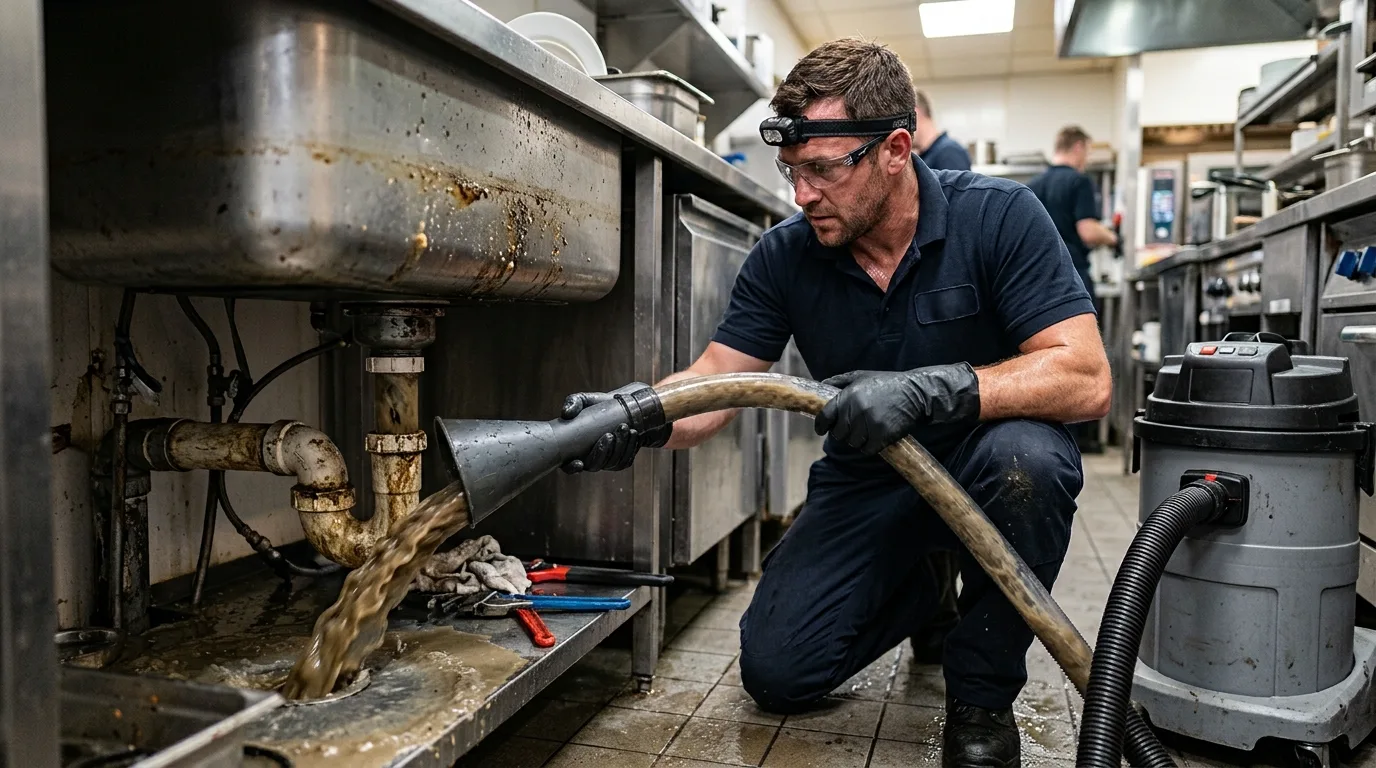
Hydro jetting in Orange, CA. The pipe cleaned, not just the clog punched through
High-pressure water that strips grease, scale and root hair back to the pipe wall. Right for a scaled cast-iron main or a restaurant grease line; wrong for pipe that has already failed. A camera decides which you have.
Blocked more than once this year? That is the sign jetting and a camera pass are worth the conversation.
What to expect
Answered 24/7
Every hour, every day, including holidays.
Same-day & emergency
Urgent calls get moved to the front of the queue.
Upfront pricing
A number you approve before work begins.
No hidden fees
The price you agreed to is the price you pay.
Workmanship terms upfront
Ask the plumber what their own workmanship terms are before work starts.
What it actually is
Water at pressure, aimed backwards
A jetter is a hose, a pump and a nozzle. The nozzle sends most of its jets rearward, so it pulls itself up the line while the water blasts the pipe wall clean and flushes everything it removes back down to the sewer. It is the difference between making a hole through a blockage and removing the blockage.
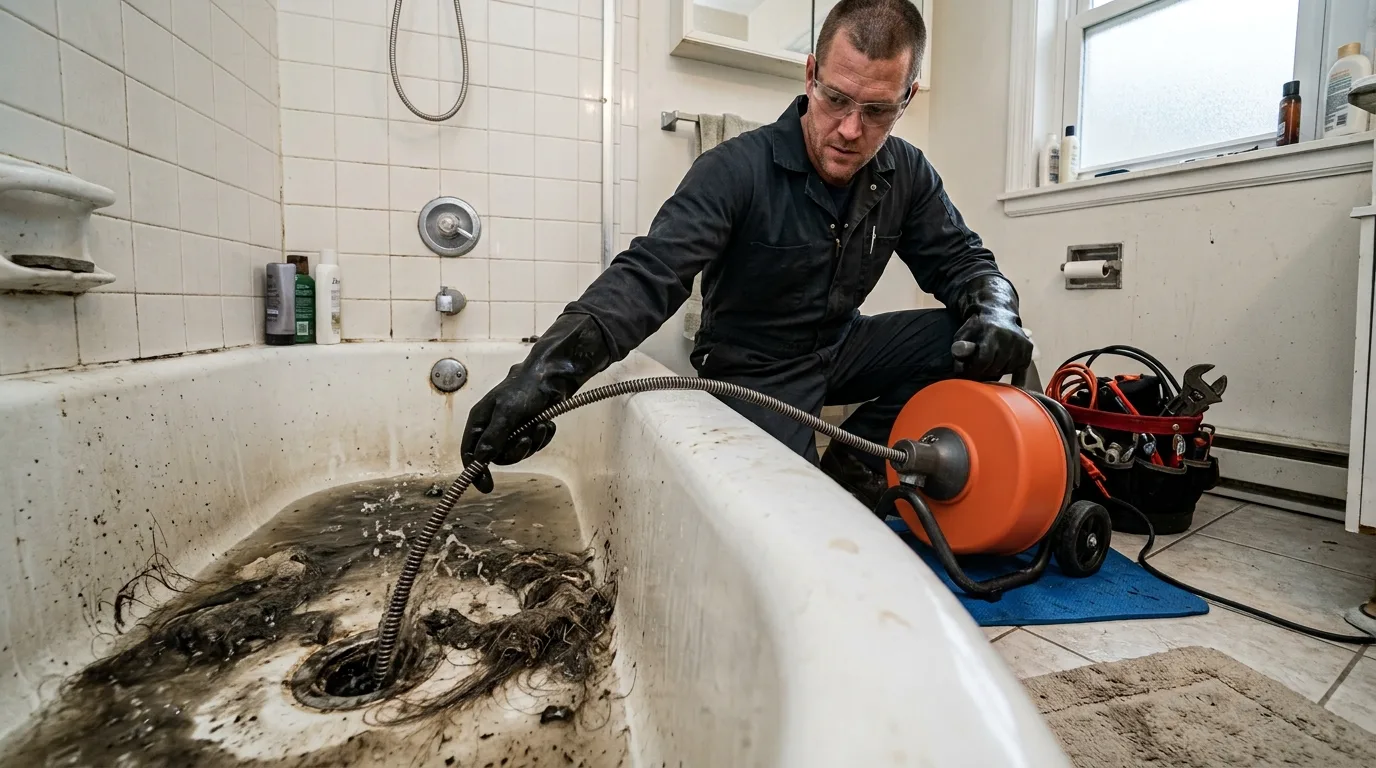
That distinction is the whole argument for jetting. A drain machine, a rotating steel cable, is fast and effective at restoring flow, and for a hair clog in a bathroom branch it is exactly the right tool. But it works on the centre of the pipe. What it leaves behind is the layer of grease, scale and root hair coating the wall, which is the thing that made the line block in the first place.
Jetting also gets used for things people do not expect: cutting root intrusion back to the pipe wall with a specialised nozzle, clearing sand and silt out of a bellied section, and stripping a line clean so a camera can actually see the pipe. On a lateral that is about to be lined, jetting is a required preparation step, not an optional extra.
If a line has blocked twice in a year, jetting plus a camera pass is usually the cheaper decision over any two-year window.
Judgement, not a default
When jetting is right, and when it is the wrong call
Jetting is not automatically the premium option. In the wrong pipe it is a genuine risk, and any pro who offers it without looking first should be asked why.
Good candidates
Kitchen and restaurant grease lines. Years of cooled fat lining the pipe is the textbook case. Cabling cuts a channel through it; jetting takes it off the wall.
Root intrusion in a sound clay or plastic lateral. With the right nozzle, roots are cut back flush and flushed out, which buys real time before a lining or replacement decision.
Scaled cast iron that is still structurally sound. Careful jetting removes the rough interior deposits that catch solids and gives the line back its usable diameter.
Preparation before lining or a camera survey. Neither works properly on a dirty pipe.
Planned maintenance. On a property with mature street trees over the lateral, jetting on a schedule beats emergency clearances on the calendar and on cost.
Poor candidates
Badly corroded cast iron. When the wall has thinned to a shell, common in the oldest housing stock around Old Towne, pressure can breach it. A camera tells you this before it happens.
Cracked, offset or collapsed clay. If the pipe has already failed structurally, jetting cleans a broken pipe. What that line needs is repair, lining or replacement.
Bellied sections, as a permanent fix. Jetting empties the low spot beautifully. Gravity refills it. The belly is the problem.
Any line nobody has looked inside. Not because jetting is dangerous by nature, but because you are spending money without knowing what you are treating.
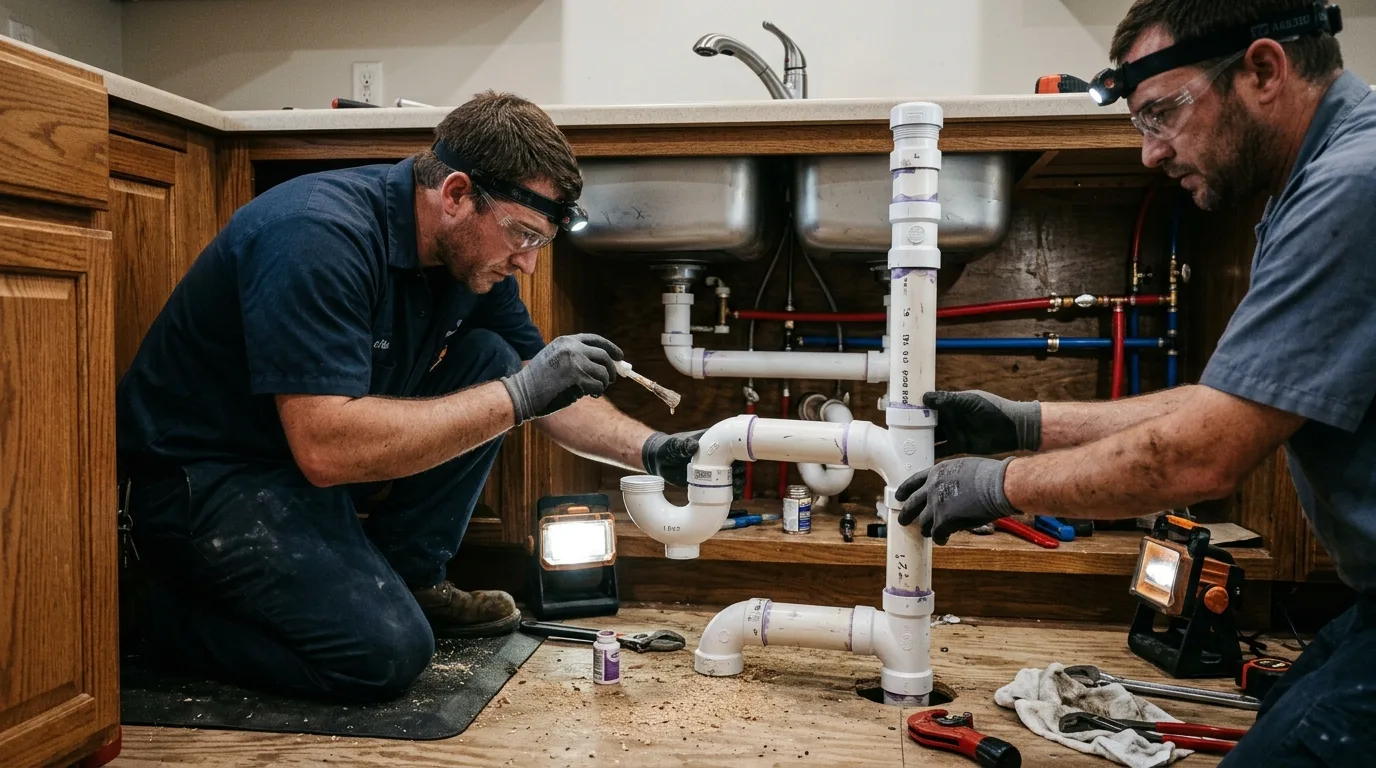
Camera first. Every time.
The rule is simple and it protects you: inspect, then jet. A camera pass costs a fraction of a lateral replacement and it answers the only two questions that matter, what is in the line, and can the line take the pressure. If someone wants to jet a hundred-year-old lateral sight unseen, get a second opinion.
Clean the pipe, not just the clog
Cabled three times this year? You have been buying months.
Get the line inspected and cleaned properly. We will connect you with a pro who carries both the camera and the jetter.
On the day
How the visit runs
Access. The jetter needs a cleanout. Most postwar and later tracts across El Modena, Olive, McPherson and Marlboro have an accessible exterior cleanout; some of the oldest houses in the historic core have none, and access then means a pulled toilet or a roof vent. That changes time and price, so it is established up front.
Camera survey. The line is inspected and, where useful, located and depth-marked from the surface. You should be shown what the camera sees, not told about it.
Nozzle selection and pressure. Different nozzles do different work, penetrating a blockage, scouring grease, cutting roots, flushing silt. Pressure is matched to the pipe material and condition, not simply run at maximum.
The pass, then a second look. The jetter works up the line and back. Then the camera goes in again to confirm the pipe is actually clean and to record its real condition now that you can see the wall, which is often when a belly, an offset joint or a cracked section becomes visible for the first time.
The conversation afterwards. Sometimes the answer is: clean, sound, see you in two years. Sometimes it is: clean, but here is a joint that is going to fail. Either way you should finish the visit knowing which.
Money
What the price depends on
- Length of the run
- Cleanout access, or the lack of it
- What is in the line
- Pipe material and condition
- Camera pass before and after
- Root cutting required
- Residential or commercial kitchen
- One-off or maintenance schedule
For restaurants and food service around the Plaza and along the main corridors, jetting is a scheduled operating cost rather than an emergency, and a scheduled visit at a quiet hour is both cheaper and far less disruptive than a Friday-night backup in a working kitchen.
Ask for the before-and-after camera footage. It is your pipe, and it is the evidence you paid for.
Straight answers
Hydro jetting questions worth asking first
Will jetting damage my pipes?
In sound pipe, no, pressure and nozzle are matched to the material. In badly corroded cast iron or already-cracked clay, high pressure can breach a wall that has thinned to a shell.
That is the entire reason a camera inspection comes first. Inspect, then decide, then jet.
How is it different from snaking or cabling?
A cable bores through the blockage and restores flow. A jetter removes what is coating the pipe wall and flushes it out of the line.
For a hair clog in a bathroom branch, cabling is the sensible tool. For grease, scale or roots in a main line, jetting is what actually addresses the cause.
How long does jetting last?
It depends on what caused the buildup. A grease line in a household kitchen, once genuinely clean, can run for years if fats stay out of the sink.
A lateral with roots entering at clay joints will re-root; that is what roots do. On those lines, jetting on a planned schedule is the realistic approach until you decide about lining or replacement.
Can jetting fix roots permanently?
No. It cuts them back to the pipe wall and clears the line, which restores full flow and buys time. The entry point at the joint is still there.
Permanent answers are lining the pipe, replacing the section, or trenchless replacement. A camera survey after jetting is what tells you which one your lateral needs.
Do you need to dig anything up?
Not for jetting. It works through an existing cleanout, or through a pulled toilet or roof vent where no cleanout exists.
Digging only enters the conversation if the camera shows the pipe has failed structurally, and that is a separate decision with its own quote.
Is it safe for older Old Towne houses?
Sometimes, and that is an honest answer. Plenty of drain lines in the historic core are cast iron with substantial internal scale but sound walls, and careful jetting is transformative on those.
Others have corroded to the point where any pressure is a gamble. The camera decides, not the age of the house.
Do restaurants need it more often?
Yes. Commercial kitchen lines accumulate grease at a rate no household matches, and a scheduled jetting programme is standard practice rather than a sign something is wrong.
Scheduling it at a quiet hour avoids a service interruption at the worst possible moment.
Will you show me the camera footage?
You should insist on it. Seeing the pipe before and after is how you know what you bought, and it gives you a documented baseline for the next inspection.
It is also useful evidence if the line later turns out to need a repair.
Is the price quoted before work starts?
Yes. Access, line length and pipe condition are assessed, then you get a number, including the camera pass, before anything begins.
No hidden fees, and no figures that move once the work is underway.
Tell us what has been blocking and how often. That is usually enough to say whether jetting is the right spend.
Often part of the same job
Related services and neighbourhoods
One number, any hour
Stop paying for the same blockage.
We will connect you with a local plumbing pro who inspects before jetting and shows you the footage either way.